

 Delivery satisfaction guarantee
 Susan Rhodes
 Trustpilot Rated Excellent
 All 100% waterproof
 10 Year Guarantee
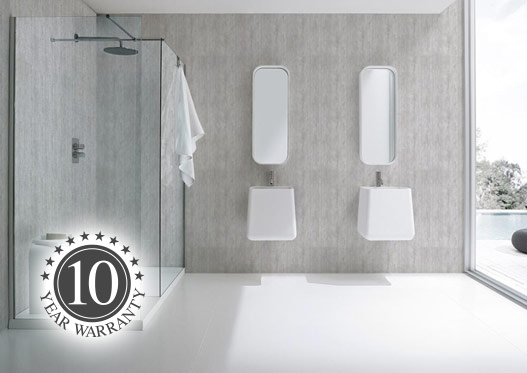
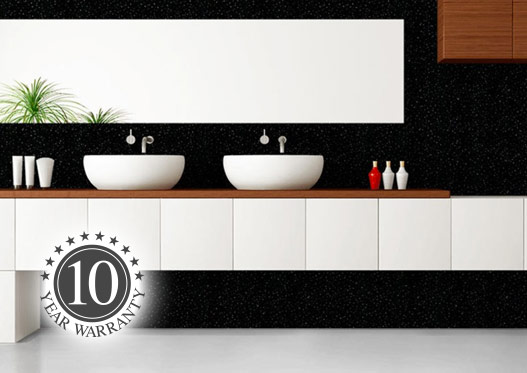
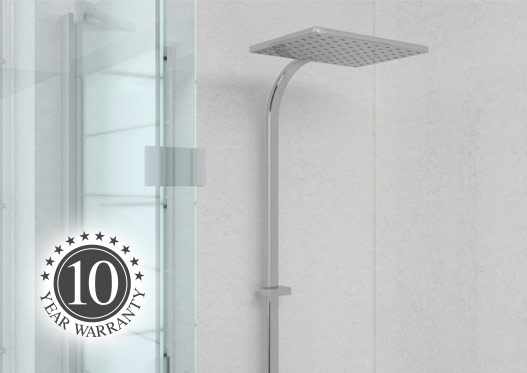
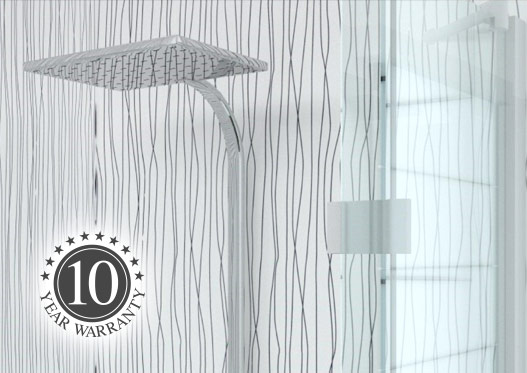
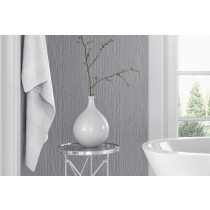
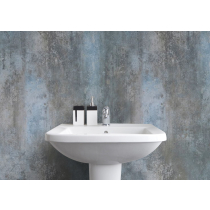
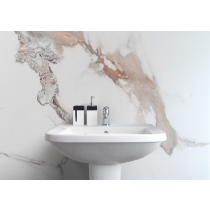
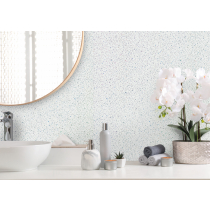
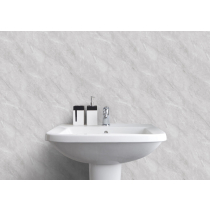
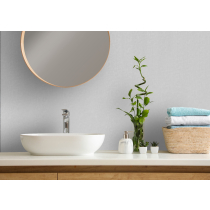
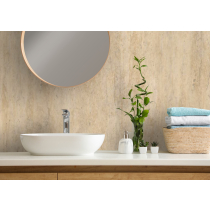
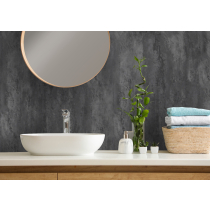
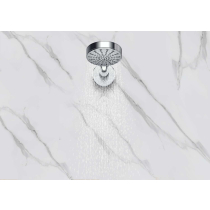
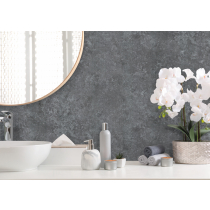
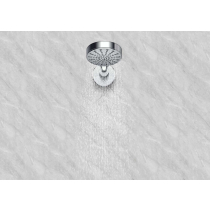
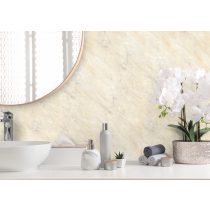
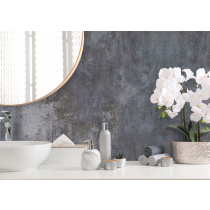
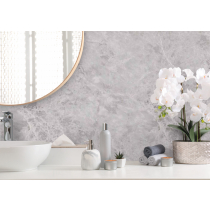
What are PVC bathroom wall panels?
PVC bathroom panels have a decorative outer surface and a moisture-resistant construction. Some have a hollow or cellular structure, while others have a denser core, which affects their rigidity, weight and impact resistance.
Depending on the product, panels may be fitted with adhesive, trims, sealant or tongue-and-groove connections. They can cover a complete bathroom or create focused areas behind a shower, bath or basin.
Why choose Aquabord PVC panels instead of tiles?
PVC bathroom panels are lightweight and durable. They protect bathroom walls from water and moisture while creating an easy wipe clean surface.
PVC panels for bathrooms cover large areas more quickly than individual tiles and do not need traditional grout. This creates fewer places for soap residue, limescale and mould to collect.
Are PVC bathroom panels waterproof?
Bathroom PVC panels don't absorb water, but the complete installation is only waterproof when all joints, corners, cut edges, pipe openings and panel junctions are sealed correctly. Use the adhesive, trims and sanitary silicone recommended for the product.
Pay particular attention to the junctions with the bath, shower tray, floor, corners and shower fittings.
Do not cover damp, unstable or damaged walls until the underlying problem has been repaired, and check that the product is suitable for direct shower use.
Installing PVC bathroom panels
Successful PVC bathroom panelling installation starts with a suitable wall. The surface should be dry, clean, stable and reasonably flat, with loose paint, wallpaper, grease and crumbling plaster removed. Fill holes and repair uneven sections before measuring.
Measure each wall in several places because floors, ceilings and corners may not be square. Plan the position of joints, trims, shower controls, pipes and windows, and dry-fit panels where possible before applying adhesive.
Can I install PVC bathroom wall panels myself?
A confident DIYer may be able to fit panels on a simple, prepared wall. The work involves measuring, cutting, applying adhesive, positioning the panels and sealing the edges and joints.
Accuracy is essential because a panel cut too short may leave an exposed gap, while an incorrect opening around a pipe can be difficult to conceal.
Use a qualified professional for plumbing changes, electrical work, major wall repairs or complicated shower enclosures, and allow the adhesive and sealant to cure fully before using the shower.
Can bathroom pvc panels be installed over existing tiles?
Bathroom pvc panels can often be fitted over firmly bonded, clean, dry and reasonably flat tiles. This can reduce dust, noise, disposal and the risk of damaging the wall behind the tiles.
Check for movement, cracks, hollow areas, dampness and loose grout before installation.
Clean and degrease the tiles, remove high spots and level deep grout lines where necessary, then use an adhesive approved for both the tiles and panel system.
Tiles should be removed if they are loose, cracked, damp, badly uneven or attached to a failing substrate.
Remember that PVC
Join Our Mailing List
Be the first to hear about our latest news and exclusive offers.