
 Delivery satisfaction guarantee
 Susan Rhodes
 Trustpilot Rated Excellent
 All 100% waterproof
 10 Year Guarantee
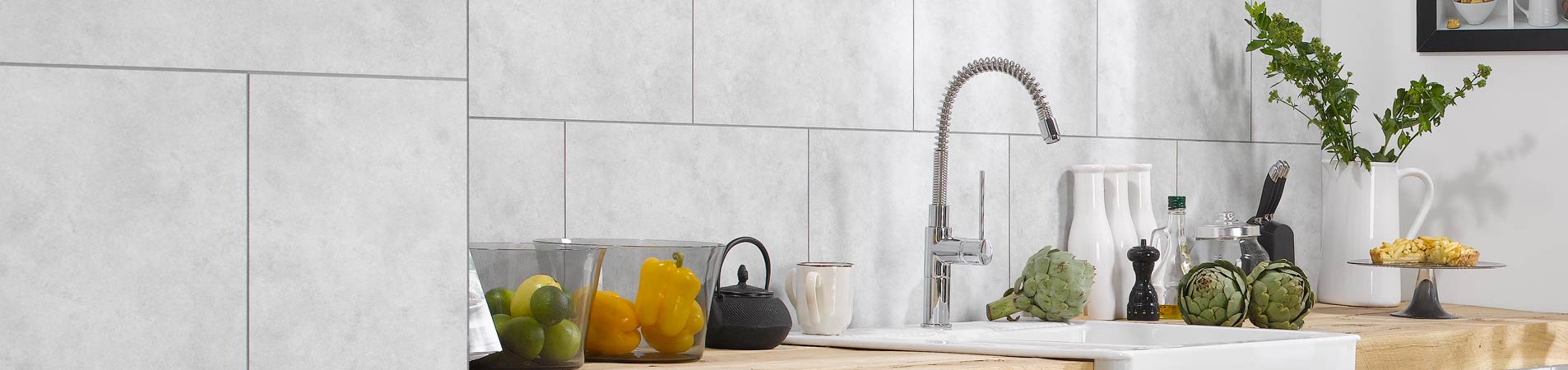
All Decors: Buy Online


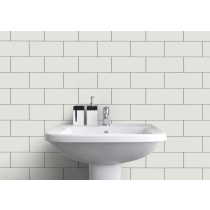
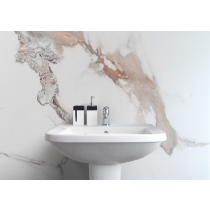
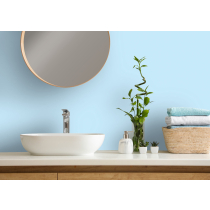

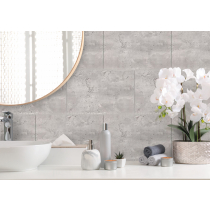
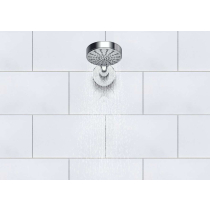
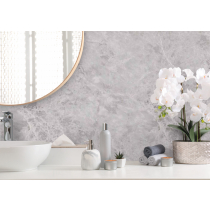
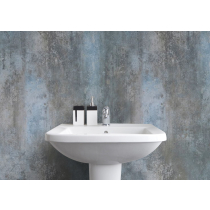
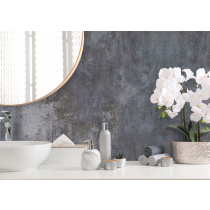
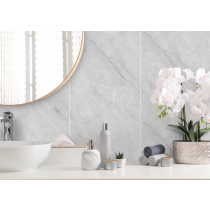
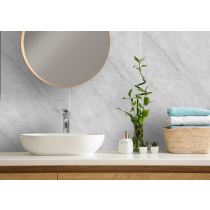

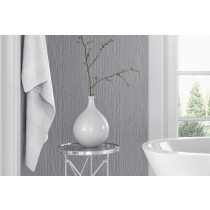
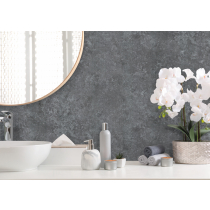
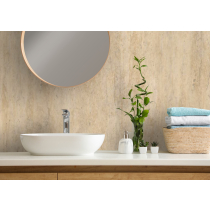
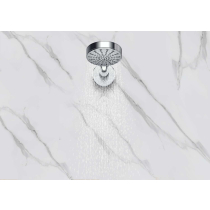
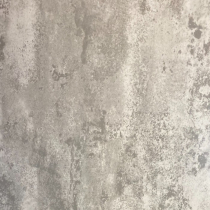
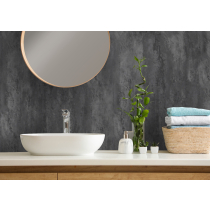
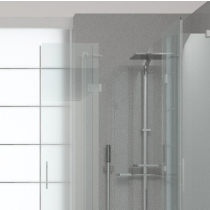
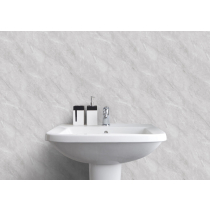
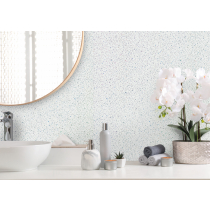
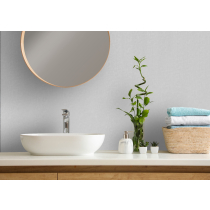
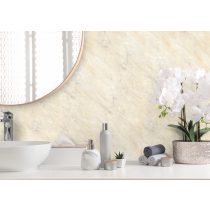
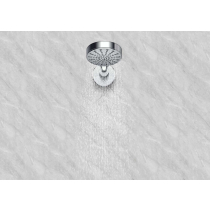
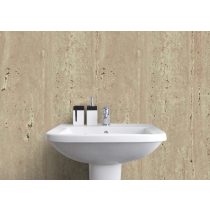
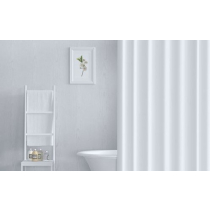
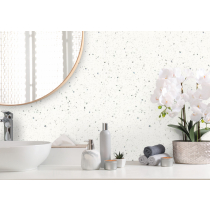
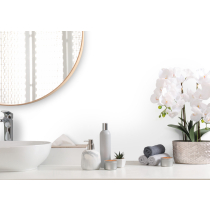
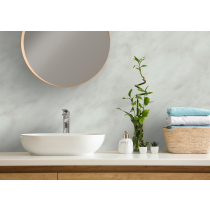
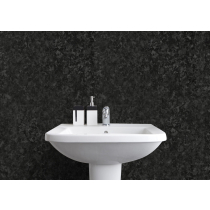
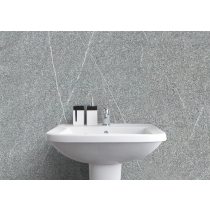




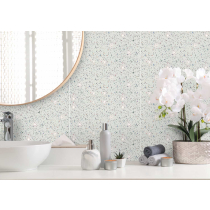
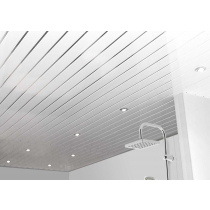
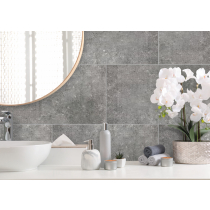
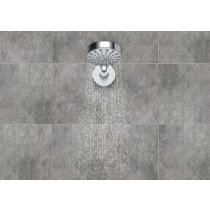
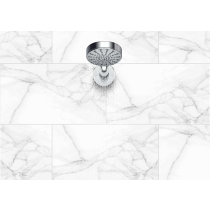

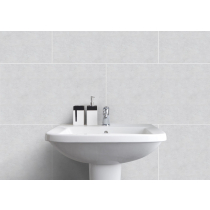
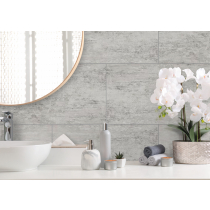
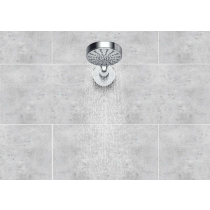
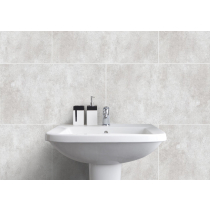
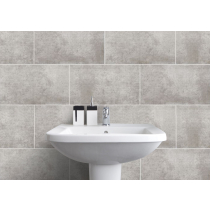
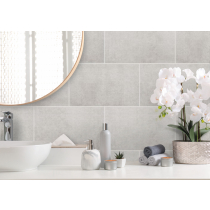
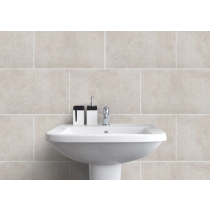
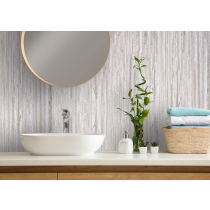
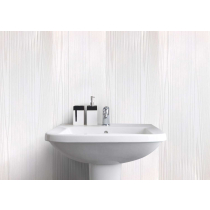
Bathroom and kitchen wall panels for all decors
IPSL supplies kitchen wall panels and bathroom wall panels, in a wide range of designs, for domestic and commercial spaces.
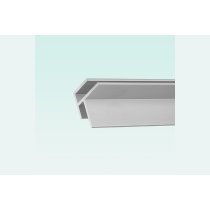
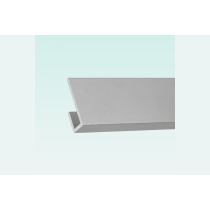
The range includes decorative panels, trims and other fitting accessories, with installation guides to support the fitting process.
Our kitchen wall panels and bathroom wall panels are designed to protect walls from water, steam, cooking splashes, stains and everyday wear.
Kitchen and bathroom wall panelling can be used across a complete wall or in specific areas, such as behind a sink, bath, shower, worktop or cooker. They can also create a feature wall or help define separate zones within a bathroom, kitchen, utility room or commercial space.
Our bathroom and kitchen wall panels come with a 10-year comprehensive guarantee, except the Aquafloor range, which is backed with a lifetime residential warranty!
Order online or Call us today for free samples or friendly, expert help!
Key benefits
Bathroom and kitchen wall panels offer a practical alternative to materials such as stone, brick, slate, timber and concrete. They can provide a consistent decorative finish without the need to align individual tiles or maintain traditional grout.
Many wall panels for kitchens and bathrooms use tongue-and-groove or clip-and-rail systems. Their construction allows them to be cut and fitted efficiently, including over suitable existing tiles, without always requiring specialist tiling or masonry skills.
PVC panels for demanding environments can provide resistance to everyday impacts and help protect the wall behind them. Their low-maintenance surface is suitable for areas that need regular cleaning.
IPSL offers a 10-year comprehensive guarantee on its kitchen and bathroom wall panels, except for the Aquafloor range, which has a lifetime residential warranty. Check the individual product information for the terms and conditions that apply.
Choosing the right bathroom and kitchen wall panels
The best panel depends on the intended application, moisture levels, heat exposure, wall condition and preferred appearance. Before ordering, check the panel’s material, thickness, fire performance, cleaning instructions, fixing method, warranty and suitability for the area.
PVC panels are lightweight, moisture-resistant and suitable for many bathrooms, kitchens, shower rooms and utility rooms. Acrylic panels offer a smooth, high-gloss finish, while laminate panels provide realistic decorative effects and a more rigid wall covering.
Bathroom wall panels
Use bathroom wall panelling that is specifically described as waterproof or suitable for wet areas around showers, baths and wet rooms. The wall must be sound, dry and stable, while the bath, shower tray, plumbing and fittings must be in good condition.
A bathroom wall panel will not resolve leaks, damp or movement behind the wall. Compatible adhesive, trims and sanitary sealant are required to protect joints, corners, cut edges and pipe openings.
Kitchen panels for walls
Kitchen wall paneling can be used behind sinks, worktops, draining boards and food preparation areas. Choose a surface that can withstand grease, steam, food residue and regular cleaning.
Take extra care behind hobs, ovens and grills. A waterproof panel is not automatically heat-resistant, so check the product’s heat limits and required distance from appliances. A glass or metal protector may be necessary where the panel is not suitable for direct heat.
Sizes and fitting
Bathroom and kitchen wall panels range from narrow boards to large sheets. Large panels reduce the number of visible joints and may cover several square metres, while narrower boards can be easier to carry through restricted spaces.
Some kitchen wall panels and bathroom wall panels measure approximately 2,400 mm by 1,000 mm, while narrow PVC boards may be around 250 mm wide and 2,600–2,700 mm high. Exact dimensions vary, and tongue-and-groove joints or overlapping edges can reduce the effective coverage.
Check the panel length against the wall height before ordering. A joint near a bath, shower tray or worktop needs suitable sealing and a compatible trim.
Calculating quantities
Measure the height and width of every wall or splashback area. Multiply the measurements to calculate the total area, subtract large doors and windows where appropriate, then divide the remaining area by the panel’s effective coverage.
Round the result up to the next whole panel and allow for trims, pipe holes, pattern matching and cutting errors. Complex layouts may require additional material, particularly where panels must be cut around windows, sockets or several fittings.
Cutting around fittings
Wall panels for kitchens and bathrooms can be cut around windows, sockets, pipes, shower controls and extractor fans. Measure from fixed reference points and transfer the measurements carefully to the back of the panel.
Support the panel while cutting with a suitable saw or jigsaw, then smooth the edge with a file. Use a cardboard template for irregular openings, such as a sloping window sill, and seal all exposed edges and gaps.
Switch off the electrical supply before working near sockets. Use a qualified electrician if electrical fittings need to be moved or altered.
Commercial uses of bathroom and kitchen wall panels
Bathroom and kitchen wall panels can be used in offices, shops, restaurants, hospitality venues, healthcare settings, commercial kitchens and washrooms.
Commercial installations of kitchen or bathroom panels for walls require greater attention to hygiene, fire performance, impact resistance, chemical resistance and cleaning requirements.
Choose panels with suitable technical information for the intended environment. High-use areas may need dense PVC, GRP or specialist hygienic cladding rather than lightweight decorative products.
Commercial kitchen wall paneling should tolerate grease, food residue, repeated cleaning, heat and the cleaning agents used on site. Confirm the required hygiene, fire and food-area standards before ordering.
Sealing and maintaining your bathroom and kitchen wall panels
Sealant should be checked around baths, shower trays, sinks, worktops, windows and corners. Replace silicone if it cracks, lifts, separates or becomes persistently mouldy, and remove failed sealant before applying a new layer.
Wipe away water, soap and food residue with a soft cloth and a suitable mild cleaner. Avoid abrasive pads, scouring powders, sharp scrapers and chemicals that are not approved for the panel material.
Good ventilation helps reduce condensation in bathrooms and kitchens. Use extractor fans during and after bathing or cooking, and keep wet towels away from enclosed wall areas where possible.